The Economist puts Portugal at the top of the economies in 2025. “Sweet as a custard tart”
Portugal leads The Economist's global ranking in 2025, supported by above-average European growth, controlled inflation and significant gains on the stock market.
Portugal was highlighted by The Economist magazine as the best performing economy in 2025 among 36 mostly developed countries. The British weekly’s annual ranking places the country in first place due to a combination of GDP growth above the European average, controlled inflation and an appreciation of the Portuguese stock market throughout the year.
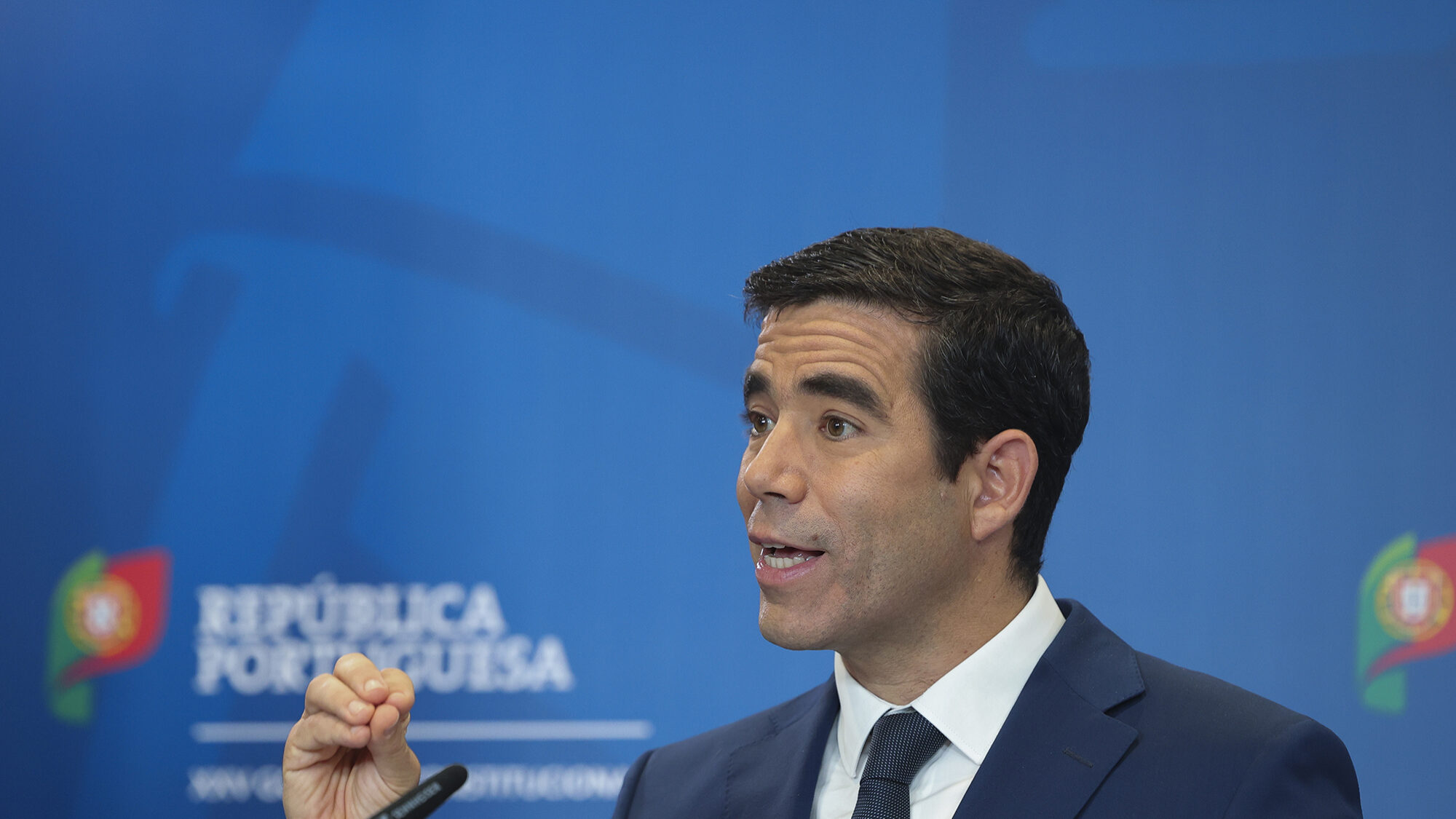
An economy “as sweet as a cream pastry”, according to The Economist. “It is by reforming with courage and making the country more competitive and productive that we will continue to create jobs, increase wages and strengthen the welfare state”, reacted Prime Minister Luís Montenegro on social network X.
The distinction comes in a year marked by global uncertainty, with trade wars and geopolitical tensions, and in which, despite the clouds on the horizon, global growth is expected to remain around 3%, a pace similar to that of 2024. In a context where inflation remains above 2% in most OECD economies, Portugal stood out for its ability to balance growth and price stability.
The study assesses five key indicators: inflation, inflation range, economic growth, employment trends and stock market performance. In the British magazine’s summary, Portugal stood out for its “strong GDP growth, low inflation and dynamic stock market”, factors which together pushed the country to the top of the table, which last year had been led by neighbouring Spain.
According to The Economist, tourism continued to be one of the main drivers of the Portuguese economy, while the arrival of foreign residents with greater financial capacity fuelled demand and investment. These factors contributed to economic growth significantly above the Eurozone average.
The magazine also highlights the strong performance of the Portuguese stock market, which rose by more than 20% in 2025, placing Portugal among the best-performing stock markets globally.
The Economist’s ranking confirms a recent trend of recovery in the economies of southern Europe. After Spain’s lead in 2024, Portugal now occupies the top spot, closely followed by Ireland, Israel, Greece and Spain.
Economies such as Greece and Spain, former protagonists of the debt crises of the 2010s, continue to surprise on the upside, while Ireland maintains a strong pace, albeit distorted by the impact of multinationals on its official GDP data.
At the other extreme, Northern Europe faces greater difficulties. Estonia, Finland and Slovakia appear at the bottom of the ranking, penalised by persistent inflation and weak economic dynamism. Even Germany and the United Kingdom, despite a slight recovery compared to previous years, remain in the middle of the table — a far cry from the days when they led European growth. The US is only in the middle of the ranking due to still high inflation, despite a resilient labour market.
The Economist also highlights Portugal’s “real” growth, supported by sectors with a strong impact on the domestic economy. Tourism — accounting for more than 15% of GDP — the technology sector and the growth of service exports have helped to create jobs and disposable income, strengthening the country’s position for 2024.
“It is a clear recognition that the path of responsibility, stability and confidence that we have been advocating is yielding results”, Joaquim Miranda Sarmento, Minister of State and Finance, also pointed out on social network X.
At the same time, economies dependent on raw materials, such as Norway, or heavily exposed to the trade slowdown, such as South Korea, saw exports fall and job creation slow.
The magazine notes that inflation remains above 2% in most of the OECD area, although Portugal has stood out for its ability to keep prices under control in a year of geopolitical instability and budgetary pressures.